Nourish and repair your hair: The benefits and best oils for hair oil baths - Maquillage Yeux Marron
Key points
-
01
L'oil bath est un soin capillaire qui hydrate et adoucit les cheveux en profondeur.
-
02
Il s'applique sur l'ensemble de la chevelure, des racines aux pointes.
-
03
Les acides gras des huiles végétales nourrissent et protègent la fibre capillaire.
-
04
Laissez poser environ 30 minutes, ou plusieurs heures pour les cheveux très secs.
-
05
Rythme conseillé : une fois par semaine pour les cheveux secs, tous les 15 jours pour les cheveux normaux à légèrement secs.
Soft, shiny, manageable hair: oil baths are the solution. Here is what you need to know about this hair care and how to apply it at home.
What is an oil bath?
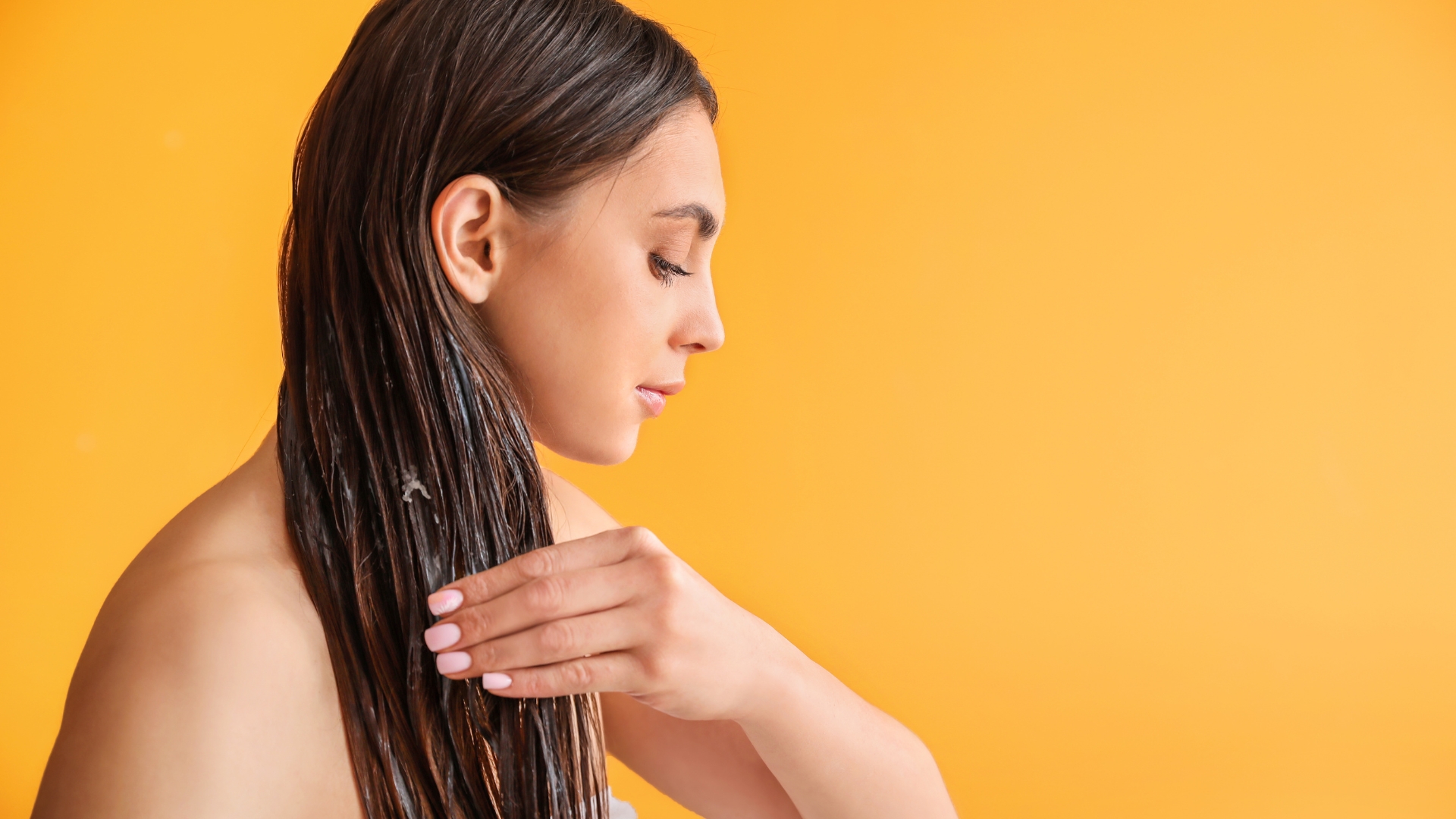
An oil bath is a hair treatment that deeply moisturizes and softens hair. Apply one or more vegetable oils (olive, coconut, argan, etc.) to the entire head, from roots to ends.
These oils nourish, protect and strengthen the hair fiber, bringing softness and vitality to your mane.
Un oil bath est un soin capillaire qui hydrate et adoucit les cheveux en profondeur. Il consiste à appliquer une ou plusieurs huiles végétales (olive, coco, argan, etc.) sur l'ensemble de la tête, des racines aux pointes.
The benefits of an oil bath for hair
Nourishes and moisturizes hair fiber
The fatty acids in plant oils penetrate deep into the hair fiber and help retain water, for optimal hydration. Some oils, like coconut oil, also contain proteins that strengthen the hair's internal structure and repair damage from chemical or heat treatments.
Protects and strengthens hair
By penetrating the hair fiber, the oils form a protective barrier around the hair. This preserves the natural or colored color and shields it from external aggressors such as the sun, pollution and wind. Hair is therefore more resistant to breakage and split ends.
Repairs dry, damaged ends
Oil baths are particularly effective for repairing dry, damaged ends. The essential fatty acids in plant oils restore suppleness and elasticity, limiting the appearance of split ends and promoting healthy regrowth.
Les huiles végétales sont aussi bénéfiques pour la peau, comme l'expliquent nos huiles faciales pour votre routine.
How to make an oil bath at home?
Choosing the right oils
All oils are not equal for hair care. Some suit your hair type better than others.
- Dry, damaged hair: avocado oil, coconut oil, argan oil;
- Fine, dull hair: jojoba oil, wheat germ oil;
- Curly hair: sweet almond oil, castor oil.
Mix several oils to benefit from their complementary properties.
Preparing and applying the oil bath
Heat your chosen oil or oil blend in a bain-marie. The oil should be warm, but not hot. Apply it all over your hair, concentrating on the ends and lengths. Gently massage your scalp to distribute the oil evenly and promote nutrient penetration.
Respect installation time
Application time varies according to your needs and the nature of your hair. In general, leave the oil on for around 30 minutes. If your hair is very dry or damaged, extend the application time to several hours, or even overnight.
Rinse and wash thoroughly
Once the application time has elapsed, rinse your hair thoroughly with lukewarm water. Use a shampoo suited to your hair type to remove excess oil. After washing, your hair should be perfectly clean, soft and shiny.
Pour aller plus loin, découvrez notre routine capillaire pour cheveux bouclés.
L'oil bath est un soin capillaire qui hydrate et adoucit les cheveux en profondeur.
Une esthéticienne
| Type de cheveux | Huiles recommandées | Fréquence conseillée |
|---|---|---|
| Cheveux secs et abîmés | Huile d'avocat, huile de coco, huile d'argan | Une fois par semaine |
| Cheveux fins et ternes | Huile de jojoba, huile de germe de blé | Tous les 15 jours |
| Cheveux bouclés | Huile d'amande douce, huile de ricin | Tous les 15 jours |
| Cheveux gras | Huile de jojoba (légère et non comédogène) | Environ une fois par mois |
Pour réaliser un oil bath maison, chauffez une ou plusieurs huiles végétales au bain-marie, appliquez sur l'ensemble des cheveux en insistant sur les longueurs et les pointes, massez délicatement le cuir chevelu, laissez poser environ 30 minutes (ou plusieurs heures si besoin) puis rincez abondamment et lavez avec un shampooing adapté.
Oil bath frequency
The ideal frequency for an oil bath depends on the nature of your hair and its care needs. As a general rule, an oil bath once a week suits dry, damaged hair, and every 15 days normal to slightly dry hair.
Oily hair can also benefit from an occasional oil bath, about once a month, provided you choose a light, non-comedogenic oil, such as jojoba oil.
With these tips in hand, you are ready to make your first homemade oil bath.
Prenez soin de votre peau avec notre guide pratique pour une peau éclatante.
Who writes this magazine
Maquillagesyeuxmarrons is written by Romain Carré, editor in chief. Every article is reread before it goes online. Health topics point readers towards a professional as soon as a symptom lasts. Older pieces are revised when what is known about an ingredient or a technique changes.




Frequently asked questions
Qu'est-ce qu'un oil bath ?
C'est un soin capillaire qui hydrate et adoucit les cheveux en profondeur. Il consiste à appliquer une ou plusieurs huiles végétales sur l'ensemble de la tête, des racines aux pointes.
Quels sont les bienfaits d'un oil bath pour les cheveux ?
Les acides gras des huiles végétales pénètrent la fibre capillaire et aident à retenir l'eau. Certaines huiles comme l'huile de coco contiennent aussi des protéines qui renforcent la structure interne du cheveu et réparent les dommages.
Comment faire un oil bath à la maison ?
Chauffez l'huile ou le mélange d'huiles au bain-marie sans le faire bouillir. Appliquez sur toute la chevelure en insistant sur les pointes et les longueurs, massez doucement le cuir chevelu, laissez poser puis rincez et lavez avec un shampooing adapté.
À quelle fréquence faire un oil bath ?
Pour les cheveux secs et abîmés, un oil bath par semaine est conseillé. Pour les cheveux normaux à légèrement secs, tous les 15 jours suffisent, et les cheveux gras peuvent en faire environ une fois par mois avec une huile légère.